
(704) 599-9810 | Worship Sundays @ 10:55 a.m.
(704) 599-9810 | Worship Sundays @ 10:55 a.m.

Nov 20, 2025
by Eric Miner
Every bulletin tells a story.
Over the years, Holy Covenant’s worship bulletins have changed — fonts, layouts, colors, designs. But through every season, they have held the same heartbeat: a gathered people, coming together to worship with intention and love. Our old bulletins are more than paper; they are snapshots of sermons preached, hymns sung, prayers whispered, and ministries born.
In this look back, we’re pairing some of Holy Covenant’s vintage bulletins and inserts with a bit of history about how church bulletins came to be — especially in the United Church of Christ and other progressive traditions. As we honor this month’s theme of Sabbath, we remember that even our liturgy learns to rest… to breathe… to unfold in new ways with every generation.
For much of Christian history, congregations worshiped without printed programs. People followed along using hymnals, prayer books, and memory while clergy guided the order of worship aloud. It wasn’t until the late 1800s and early 1900s, when printing became inexpensive and Sunday Schools expanded, that weekly bulletins began to appear in Protestant churches.
These early bulletins were simple — often just a single sheet listing the hymns, scripture readings, and sermon title. But quickly, churches discovered how useful they could be: a way to share announcements, invite people into ministry, and teach the shape of worship itself. By the mid-20th century, bulletins were standard practice in most mainline churches.
In denominations like the UCC, Presbyterians, Methodists, Lutherans, and Episcopalians, bulletins soon became more than a list of what comes next. They turned into teaching tools and small catechisms:
In many ways, bulletins became the “scrapbooks” of mainline Christianity, capturing the ordinary weeks that add up to a life of faith.
When the United Church of Christ formed in 1957, it brought together traditions that loved both thoughtful liturgy and bold engagement with the world. UCC bulletin covers from the 1960s through the 1990s often included:
One classic UCC image in our archive shows the words “that they may all be one” set against rainbow-layered typography — a visual echo of Jesus’ prayer in John 17 and of the UCC’s growing witness for inclusion and Open and Affirming ministry. Even the bulletin cover became a small sermon in itself.
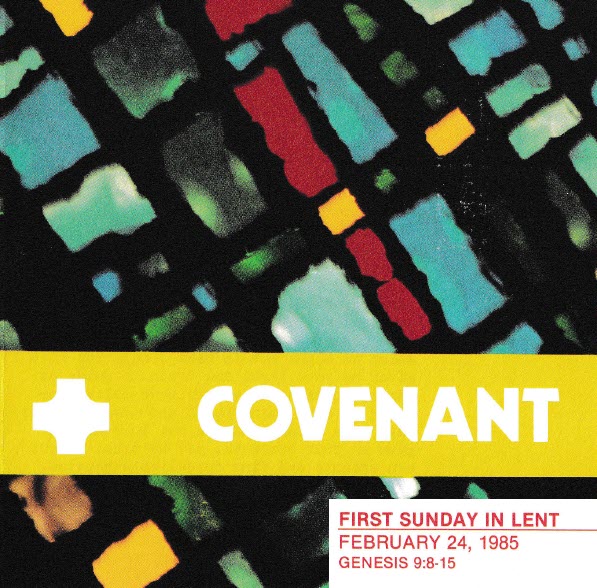
Our own Holy Covenant collection reaches back several decades. In the photos below, you’ll see:
Together, these pieces trace how Holy Covenant has grown in diversity, humor, justice, and joy — while still gathering around scripture, song, and the simple pattern of worship: we come, we listen, we respond, we are sent.

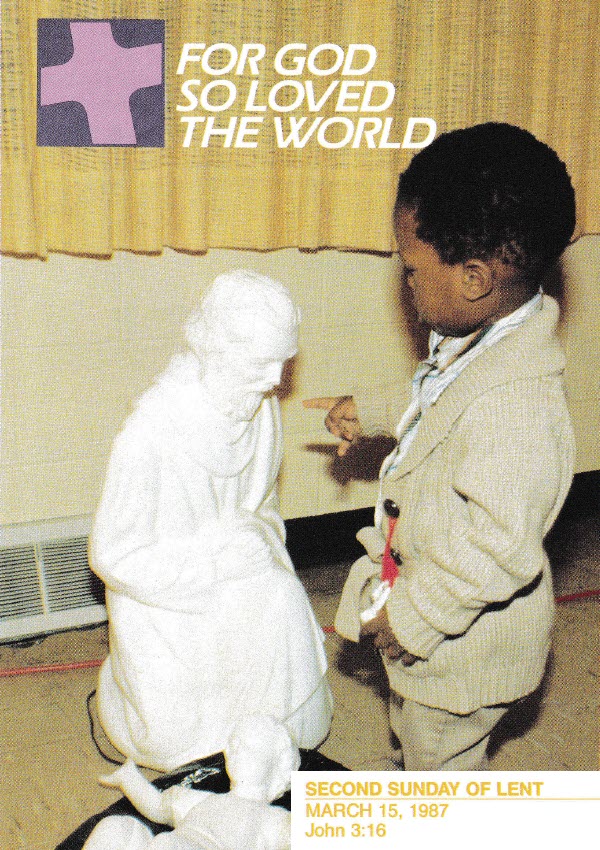
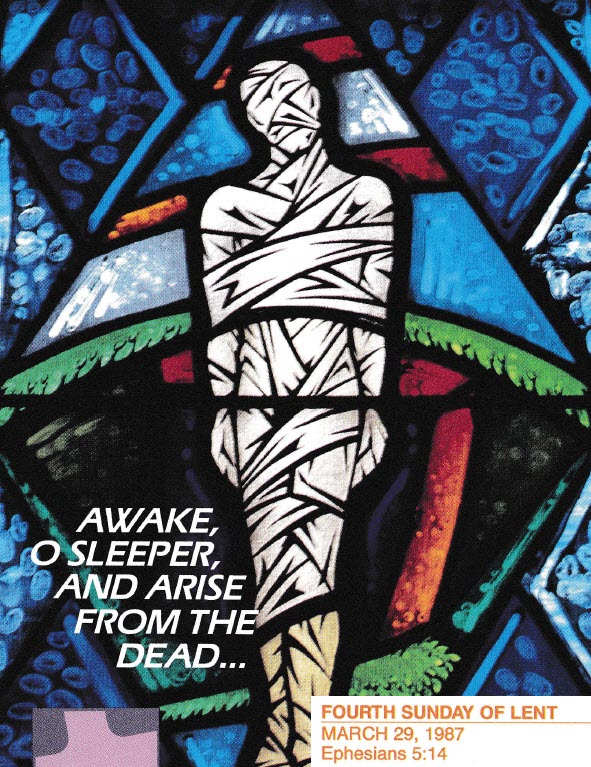
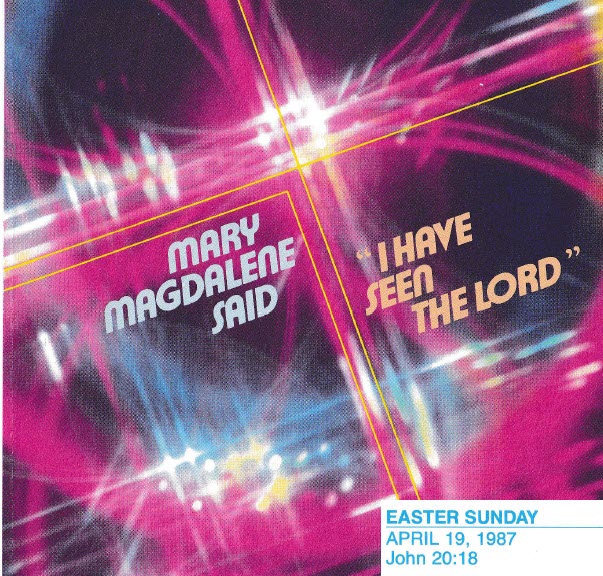


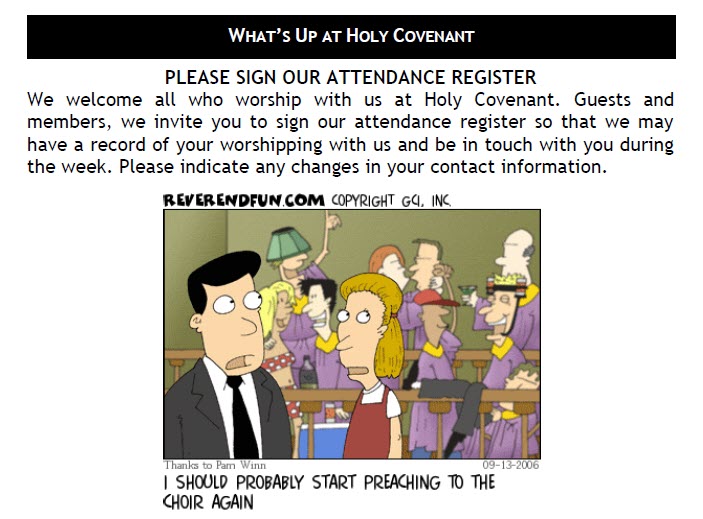
When we leaf through old bulletins, we are not just looking at graphics from another era. We are remembering people who prayed these prayers, sang these hymns, and showed up to serve in these seasons of life. The paper may fade, but the worship it held still echoes in us.
Today, our bulletins look different again. Some Sundays we hold printed copies; other times we follow slides or worship from home. Announcements move to email and websites, and our designs reflect new accessibility and environmental goals. Yet the mission remains the same: to draw our scattered lives into a shared story of God’s love.
As you look through these images, consider saving a few bulletins of your own — from baptisms, confirmations, memorials, or moments that changed you. Someday, someone may look back at them the way we are looking back today and whisper, “Every bulletin tells a story… and this one tells mine.”
Do you have an old Holy Covenant bulletin or insert you’d like to share for our archives? We’d love to see it.

✍️ About the Author
Eric Miner serves Holy Covenant as our digital disciple, visual storyteller, and keeper of our shared memory. He believes that images — like scripture — can become windows into grace when held with care, curiosity, and love.
Sign up to receive our weekly newsletter.